| | | AUGUST 2023 PREVENTION SPOTLIGHT |
| Hello everyone, the prevention team is pleased to present the latest edition of Spotlight, a resource to highlight local programs' prevention efforts. A bi-monthly edition, Spotlight focuses on a particular initiative from one of our local programs. |
|
|
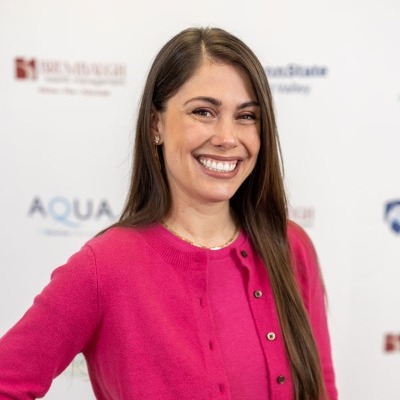
| Amelia Rayburn, Director of Education Programs at Domestic Violence Center of Chester County Amelia (pronouns: she/her/hers) is the Director of Education Programs at the Domestic Violence Center of Chester County (DVCCC). She has been with the organization for a little over 8 years as an employee and then for 3 years before that as a volunteer. In this interview, Amelia discusses the steps DVCCC has taken to become more inclusive and increase awareness and education to serve LGBTQIA+ survivors of abuse. |
|
|
| Tell me about your initiative. How did you end up here? Amelia: Our initiative was one that was actually done in two parts. So, over the course of two years, we completed first an internal assessment of DVCCC. We used the evidence-based community readiness model to understand a little bit more about our current readiness to provide culturally responsive services and outreach to LGBTQIA+ community members who are experiencing domestic violence. The first year of this initiative, we really focused on that internal assessment and interviewed our staff, our leadership, and our volunteers. We wanted to understand where we were at. The culmination of that project was the development of an action plan. The action plan was informed by both the community readiness model and input and feedback from representatives from local LGBTQIA+ serving organizations who partnered with us throughout the project. So, we developed this action plan and then year 2 of the initiative was trying to put the action plan into place. The action plan was really about improving our organization’s services, improving our policies and procedures, and improving our outreach to LGBTQIA+ survivors in Chester County. |
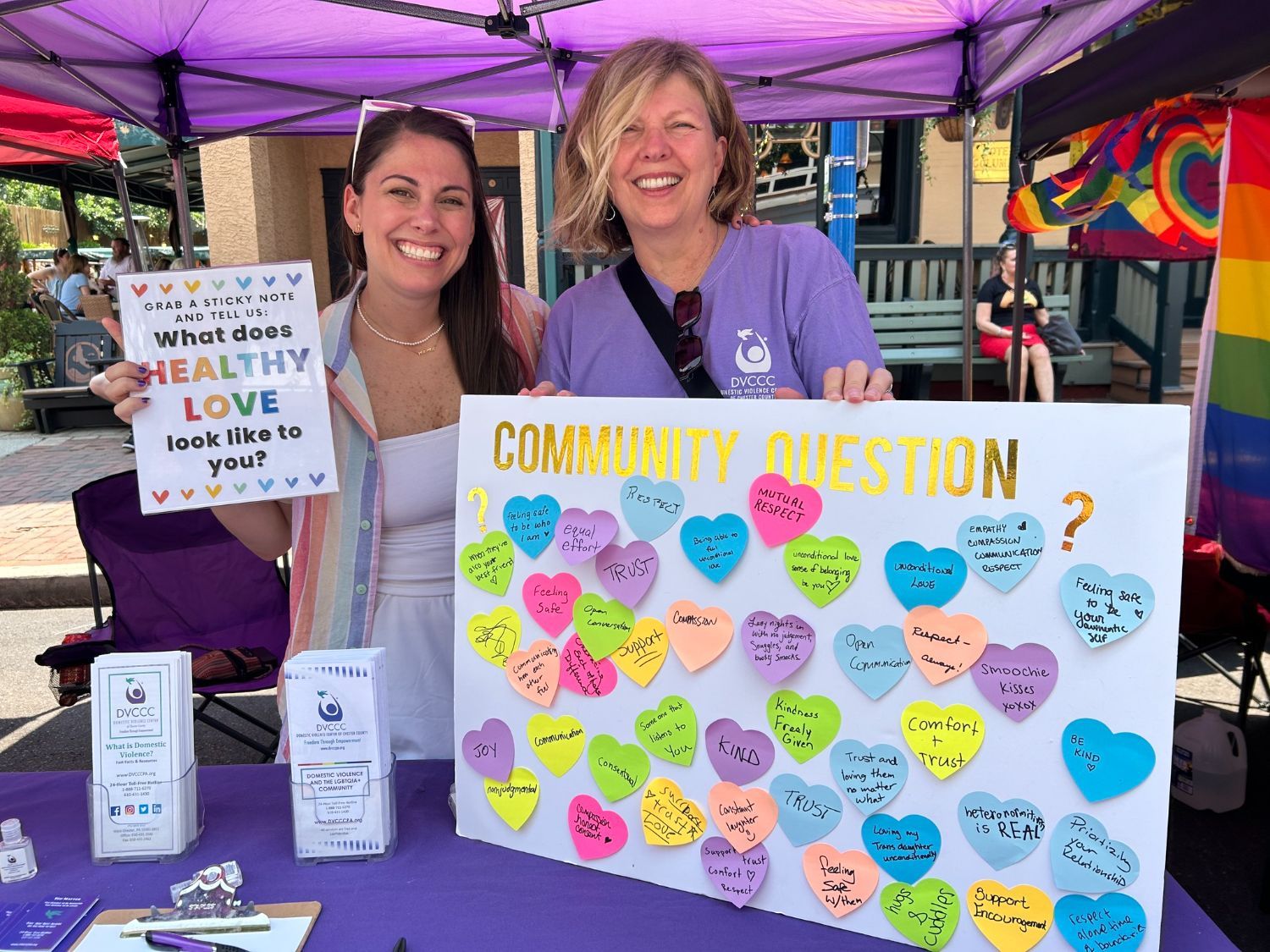
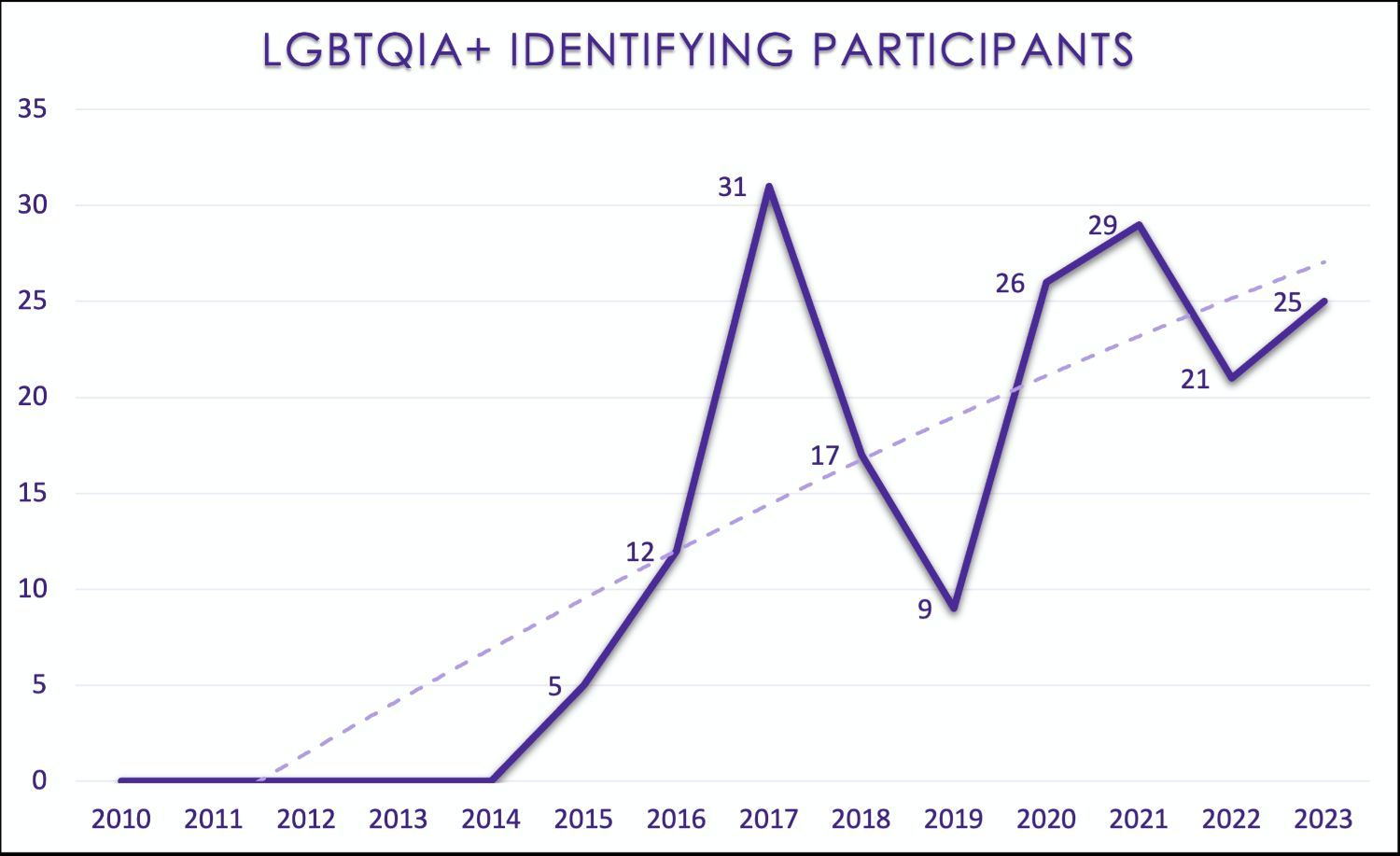
| What do you think woks best about this initiative? Amelia: A focus area, a new project, or a new initiative at DVCCC is the product of two things: data meeting innovation. We looked at our data and noticed a steady and significant increase over the past decade in services for victim survivors, identifying as members of the LGBTQIA+ community. We knew that we had to start thinking innovatively to meet the increasing service need and provide the most culturally responsive services. We also needed to improve our organizational culture to be more inclusive and improve our outreach to that community, to let them know that we are here and provides services for all relationships. I think that what was most successful, what worked best about the initiative, was collaboration in two ways. The first was internal collaboration: bringing our team together, bringing our staff together, bringing our leadership together to engage in this project from the start: getting them involved in the interview process, introducing them to the project and the action plan itself, engaging them in a SWOT analysis - where we identified the strengths, weaknesses, opportunities, and threats to success in the project – engaging them in attending new trainings, and really just working together. The great thing about that internal collaboration was that there was a lot of positive feedback and a lot of engagement in a way that we don't actually typically see in a lot of other agency-wide projects. So, that was really exciting. However, the collaboration wasn't just internal for this project: a lot of what we did was really informed by our community partnerships. We are not the experts in our community on LGBTQIA+ issues. We are not the first ones in our community working to create safer spaces and a safer Chester County for our LGBTQIA+ neighbors. So, we really wanted to focus on strengthening the partnerships with the organizations that are already doing this work. We reached out to different departments at our local universities. We partnered with the LGBT Equality Alliance of Chester County. We partnered with Planned Parenthood of Southeastern Pennsylvania’s two LGBT youth spaces. Part of our project was also focused on working to identify more community partners that we maybe weren't aware of before. Our plan is to identify and enhance further partnerships. For example, Main Line Health, one of our largest county healthcare organizations, has an inclusive care unit specifically for our LGBTQIA+ community members and we didn't know about that until we worked on developing and improving our staff resource guide throughout this action plan. We know we can't do this work alone. Collaboration with the other organizations in our communities is the key to success in any prevention efforts. |
| | Did anything surprise you about the initiative that you didn’t expect? Amelia: To be honest, I think I went into it maybe a little bit jaded. I expected a lot more pushback. I expected a lot more of a “lax” attitude, from staff and from some leadership; however, throughout the two years of this, I did not receive any of that. I was pleasantly surprised by the interactions that I was having with our staff and leadership. Some were already extremely knowledgeable on this topic and treating it with an impressive level of understanding and respect. Some of them were also, actively calling out their own previous mistakes and missteps that they've made and taking full ownership and appreciating it for the learning experience. It was really cool to see that type of self-reflection in our staff. As the Education Director, I organize and provide a lot of internal trainings for the organization and, I never receive much feedback after trainings, but the training on service improvement for our LGBTQIA+ survivors, I received more positive feedback from staff members than ever before: questions and ideas for future trainings, too. Our plan is to continue regular and more in-depth education for our staff on this area. We also updated a lot of our educational materials, presentations and written materials– to be more inclusive of the unique experiences of LGBTQIA+ survivors of abuse. We do a lot of outreach to youth and you can never guess what a teenager is going to ask or say. So, we did get a number of questions from teens that were like, “what is this, what does this mean?” and some of them would be explaining it to one another – or bringing it up to me – in really, empowering and respectful ways, and these teachable moments were received in a positive way. Because of the current social and political climate, we've noticed a shift over the past few years of increased tension, and fear-based feelings for our LGBTQIA+ community members. It was kind of an underlying energy that paid attention to as we worked internally to improve services for this community knowing that outside of our organization, there exist efforts to combat against what we were doing. The goal was really to improve our organization but, when we talk about prevention, we have to think about it at every level. We know that there's still a lot that we have to address on the policy level, not only our policies at DVCCC, but also our state and federal policies that can protect the LGBTQIA+ community. As we know, any policy that is oppressive towards a marginalized community directly impacts the individual experience of intimate partner violence. We can do a lot internally and see a lot of positive changes internally, but we still know there's a lot of work outside of our organization that we need to engage in as well. |
| How do you plan to address the challenges? Amelia: We stand by PCDVs legislative priorities and, we stand by any legislative priority that protects marginalized communities. We can educate our community and encourage our community members to advocate for policies that will protect marginalized communities. This is consistently part of our operational work plan, to engage our community in supporting important policy change to protect victims and survivors. We've also continued efforts in our own organization and in our community. We have to be prepared and willing to confront and disrupt discriminatory behaviors if we witness them, but we really want to treat every opportunity as a learning experience with the hope that that individual or that group of individuals is open to it. We will also continue to enhance and improve our educational programming, to be information that is inclusive of some of the unique experiences of abuse that LGBTQIA+ victims face. We also have made it common practice in all of our educational programs to discuss how the one on one, lived experiences of direct violence, are directly impacted by Homophobia, Transphobia, and other forms of discrimination - the “isms” as we might say and how these can act. We also will not shy away from continuing to promote our programs for victims and survivors of abuse of all identities and from all backgrounds. |
|  | What should other programs keep in mind if they want to implement the same initiative? Amelia: I really think it's important to educate your community on how any form of oppression or discrimination based on someone's cultural identity increases the likelihood of direct violence in your community, like domestic violence. If we can create a safer and more inclusive community, then we will in turn be creating a less violent community when it comes to domestic violence. If you get pushback, that's how I encourage people to present it: this isn't just an LGBTQIA+ community issue, this isn't just an issue for our communities of color, this isn't just an issue for our communities who are struggling with resource inequity, etc. We have to talk about how our conversations socially and culturally actually directly impact the violence within our communities. In addition to that, I think that the success of any effort, is due to how well you can partner with and mobilize the organizations within your community that already exist. We never are reinventing the wheel in Chester County. In many of our more fortunate communities and counties in Pennsylvania there are have a lot of resources that we should be relying on, rather than trying to do the work like its brand new for us. So, look to the organizations that are already in your communities doing the work, whether it's local, statewide, or nationally, and meet with them, learn from them, share your plans and your ideas with them, and be open to that feedback because that's how we're really going to make an impact in a positive way for these communities. This was a really enlightening experience that I am grateful to PCADV for supporting. I came into it feeling ill-equipped, as I am not an expert in or a member of the LGBTQIA+ community, but I was proud to do this work, and it would be nothing without our LGBTQIA+ community and partners and I just hope that I can continue to do the best work I can as an ally and advocate for my LGBTQIA+ identifying neighbors. |
| Please feel free to reach out to Amelia if you want to implement the same initiative or talk through it. 📧 [email protected] |
|
|
| We thank Amelia for her participation! If you are interested in highlighting your programs' initiative in one of Spotlight's editions, please send an email to Aishwarya Sinha, Prevention Specialist, at [email protected]. Thank you! Aishwarya, Prevention Specialist
And the Prevention Team:
Denise, Kristen, Nick, and Genevieve. |
|
|
| | | |
|
|